Can you hear a coral spawn?
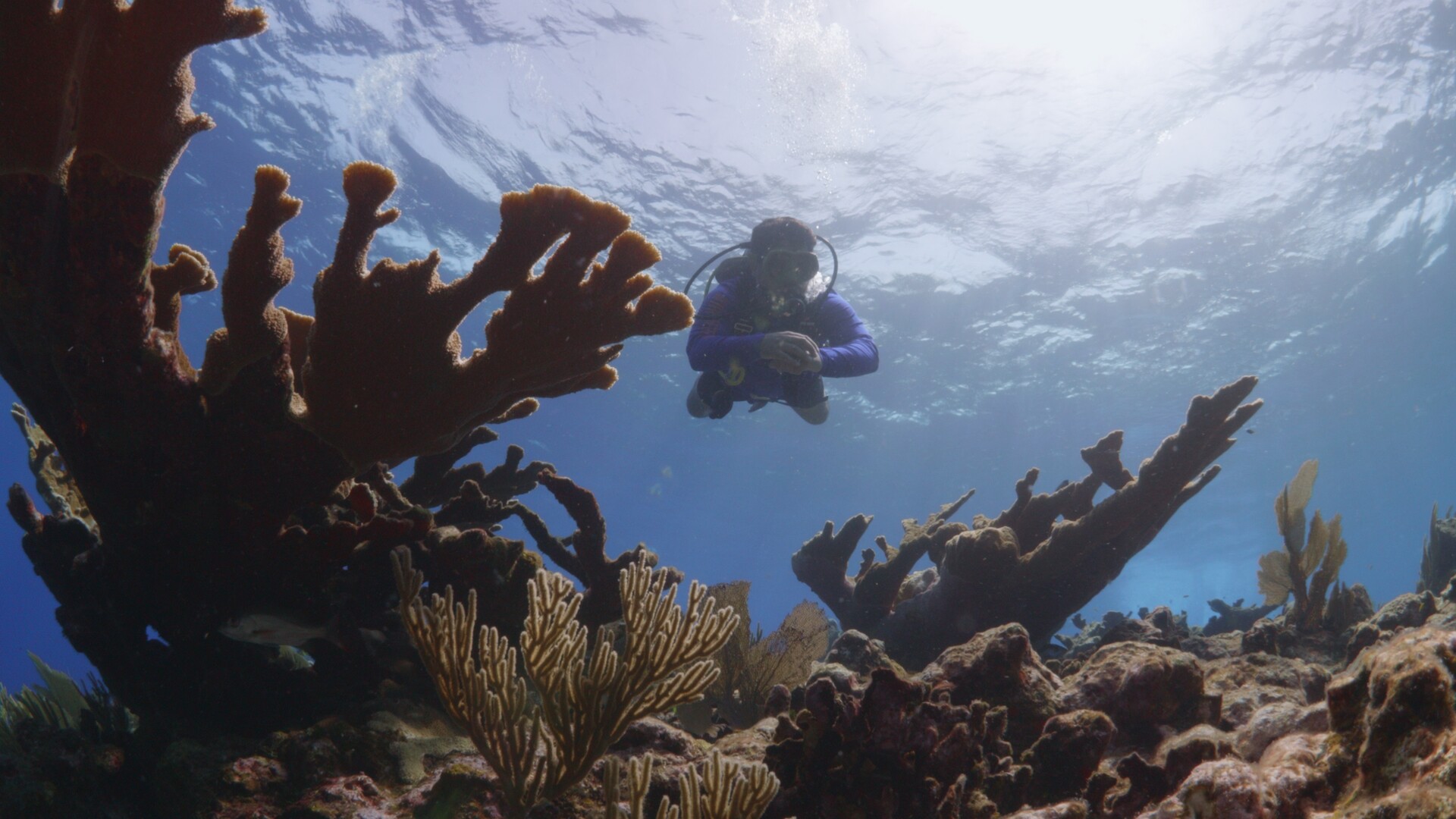

Every summer, for just a few nights after the full moon, one of the ocean's most remarkable events unfolds: coral reefs spawn.
Colonies that have spent an entire year preparing release tiny bundles of eggs and sperm into the water, each species in near-perfect synchrony. Reefs seem to snow upward as millions of bundles float toward the surface. It's one of the largest reproductive events on the planet—and one that scientists still can't predict with complete precision. The mysteries around the coral spawn give it a magical quality that keeps experiencing one high on many divers’ bucket list.
This July, The Seabirds are joining Tela Coral in Tela, Honduras, to ask a simple question: Can you hear a coral spawn?
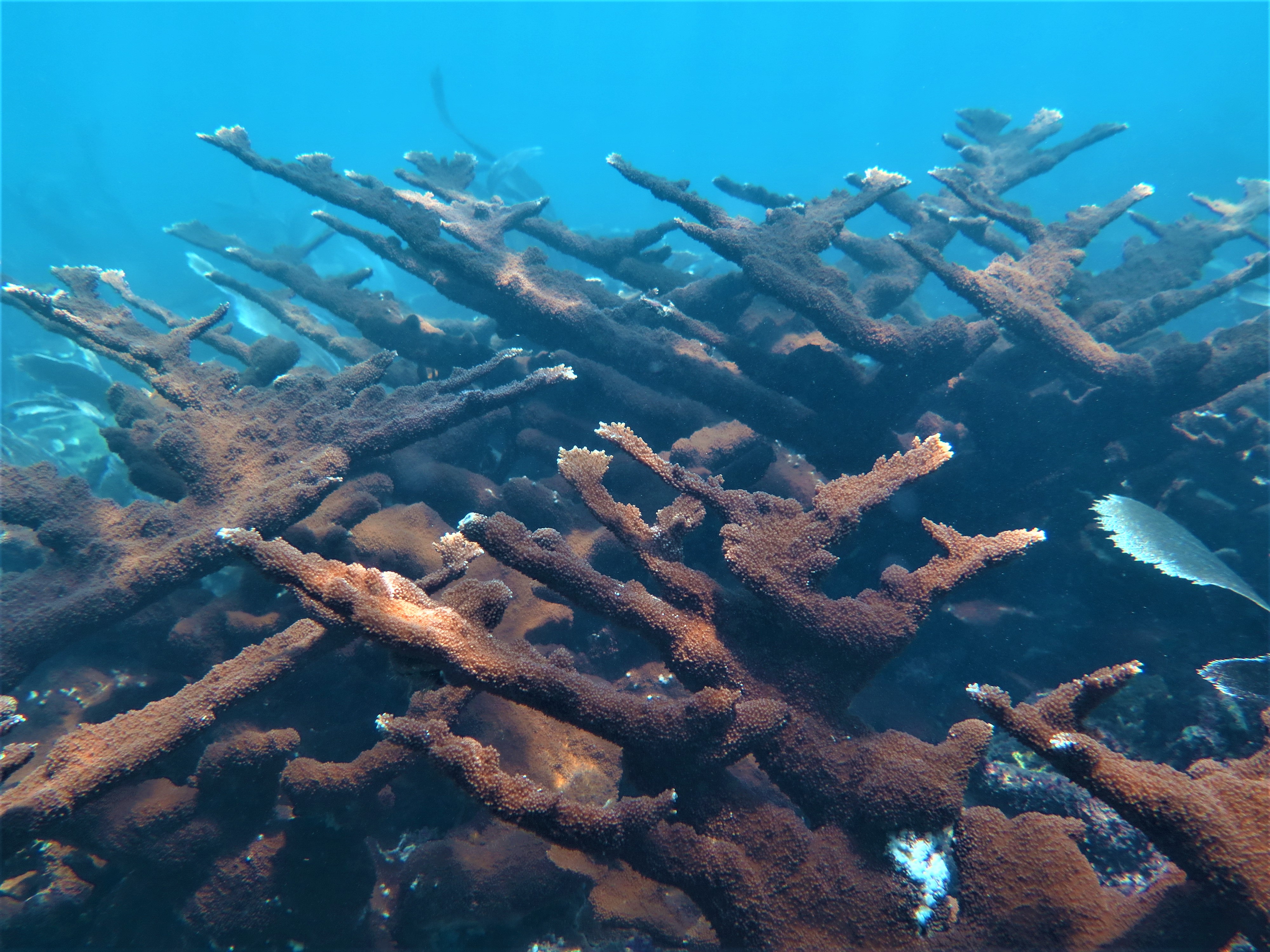
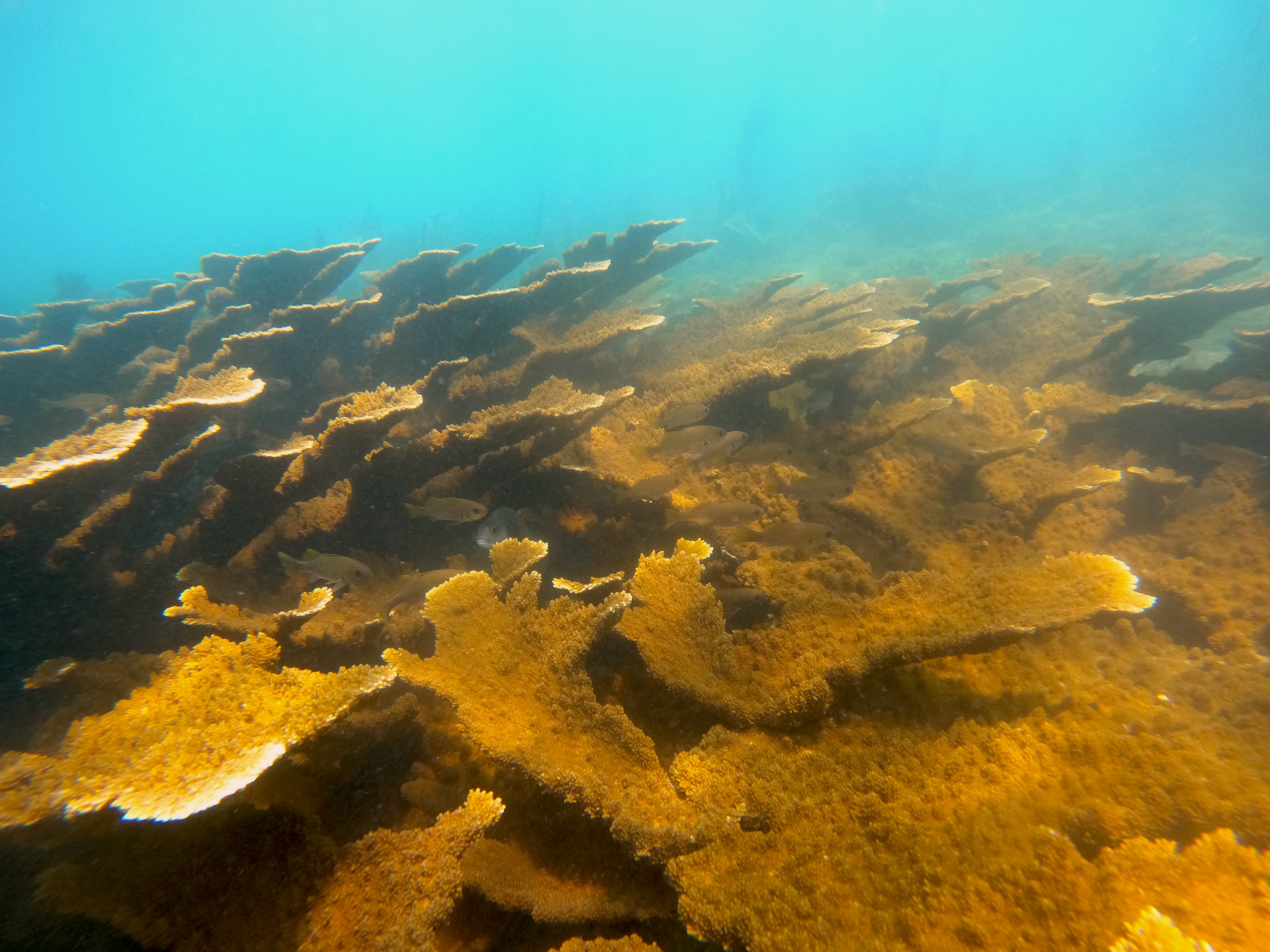
The answer, we hope, could help researchers better monitor one of the reef's most important events using a simple hydrophone and careful observation.
Passive acoustic monitoring records underwater sound without disturbing marine life. Healthy coral reefs are surprisingly noisy places. Snapping shrimp create a nearly constant crackling backdrop, while reef fishes add grunts, pops, chirps, and hums that together form a reef's unique soundscape. Scientists have used these underwater soundscapes to study reef health, monitor marine life, and even better understand where young corals choose to settle.
Coral spawning adds another interesting layer to that sound story.
You see, spawning is loud. The event doesn't just create the next generation of corals—it also becomes one of the ocean’s biggest buffets of the year. As millions of buoyant egg bundles drift through the water column, fish, crustaceans, worms, and countless other reef animals gather to feed. Divers often describe the reef suddenly feeling more alive, with activity increasing in every direction.
If all of that activity changes the reef's soundscape, could a hydrophone detect it?
That's what we hope to test in July and August!
.jpg)
Before the expected spawning window, The Seabirds team will deploy a hydrophone to record the reef's normal acoustic conditions, creating a baseline for comparison. Then, during nightly dive surveys under the full moon and the nights following, the hydrophone will continue recording while divers watch for the first visual signs of spawning.
By comparing the exact moment divers observe spawning with the acoustic recordings, we'll look for measurable changes in the reef's soundscape that coincide with the event. If a consistent pattern emerges, it suggests that passive acoustic monitoring can complement traditional spawning surveys in the future.
Even if it doesn't, the recordings themselves will add valuable baseline data from a reef that remains one of the Caribbean's most remarkable and resilient coral ecosystems.
For The Seabirds, this project is also an exciting expansion of our citizen science work. Our team has previously used hydrophones to document whale behavior and marine soundscapes. This expedition brings those same tools into coral science, combining underwater acoustics with direct observations from scuba divers to explore a question that hasn't been widely tested in the field.
It's also a natural fit with Tela Coral's mission to pair conservation with innovation. From coral restoration and genetic preservation to immersive storytelling and community engagement, the organization is always looking for new ways to better understand and protect Tela's reefs. This collaboration brings together two organizations that believe curiosity is one of conservation's greatest tools.
We don't know yet if coral spawning has a recognizable soundtrack.
That's a big part of why we're going.
This July, while divers keep watch beneath the surface, our hydrophone will be listening too. Whether we uncover a new tool for coral science or simply collect a dataset no one has gathered before, we'll come home knowing a little more about one of the ocean's most extraordinary nights.
Relevant Expedition Information:
- Date: 2026 July 28 - Aug 2
- Name: Spawning Adzenture
- Location: Tela, Honduras
- Partner(s): Tela Coral, Adzentures
- Vessel: various, run by Tela Marine