What is the Impact of The Seabirds' Citizen Science?

“What is the impact of The Seabirds' Citizen Science?” This is a question I was recently confronted with for a presentation on our Re-Earth Initiative and Seabirds New Explorer Scholarship. I knew the answer, vaguely, undefined, a jumble of words and passion in my head. But now I had to write it out and that took me on a deep dive (pun totally intended) into the heart of our Citizen Science Program and my personal beliefs on why it’s so important.
I realized that to answer this, we need to focus on clarifying the “who” of scientific contribution. Our goal is to share scientific knowledge and tools with anyone, open gates, and create pathways that push individuals and conservation further than before.
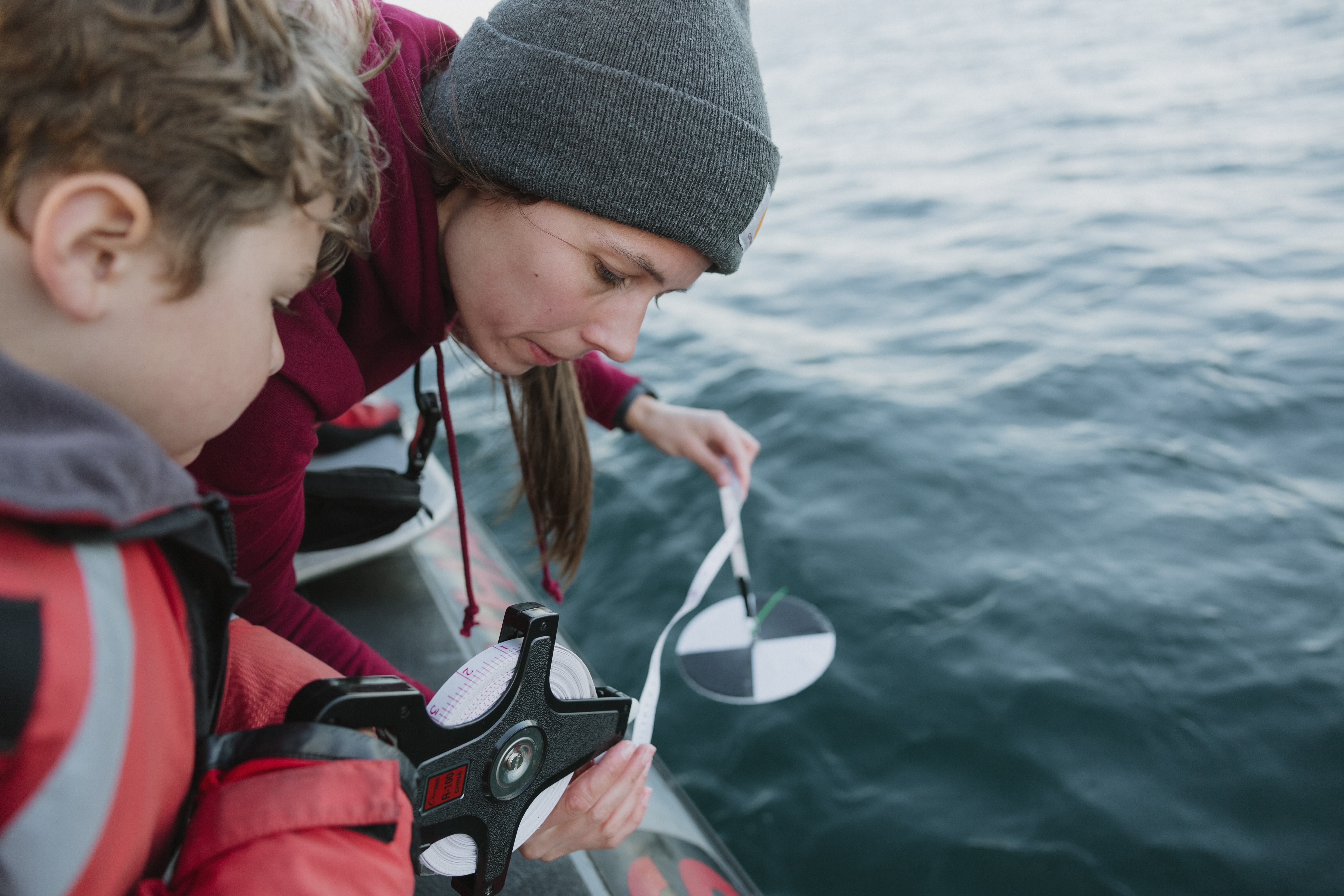
The Seabirds train citizen scientists to conduct Passive Acoustic Monitoring and field-based data collection in remote marine environments. We’re not just inviting people into the field to watch us do science; we’re teaching them to collect data just like field scientists. And that’s our secret sauce.
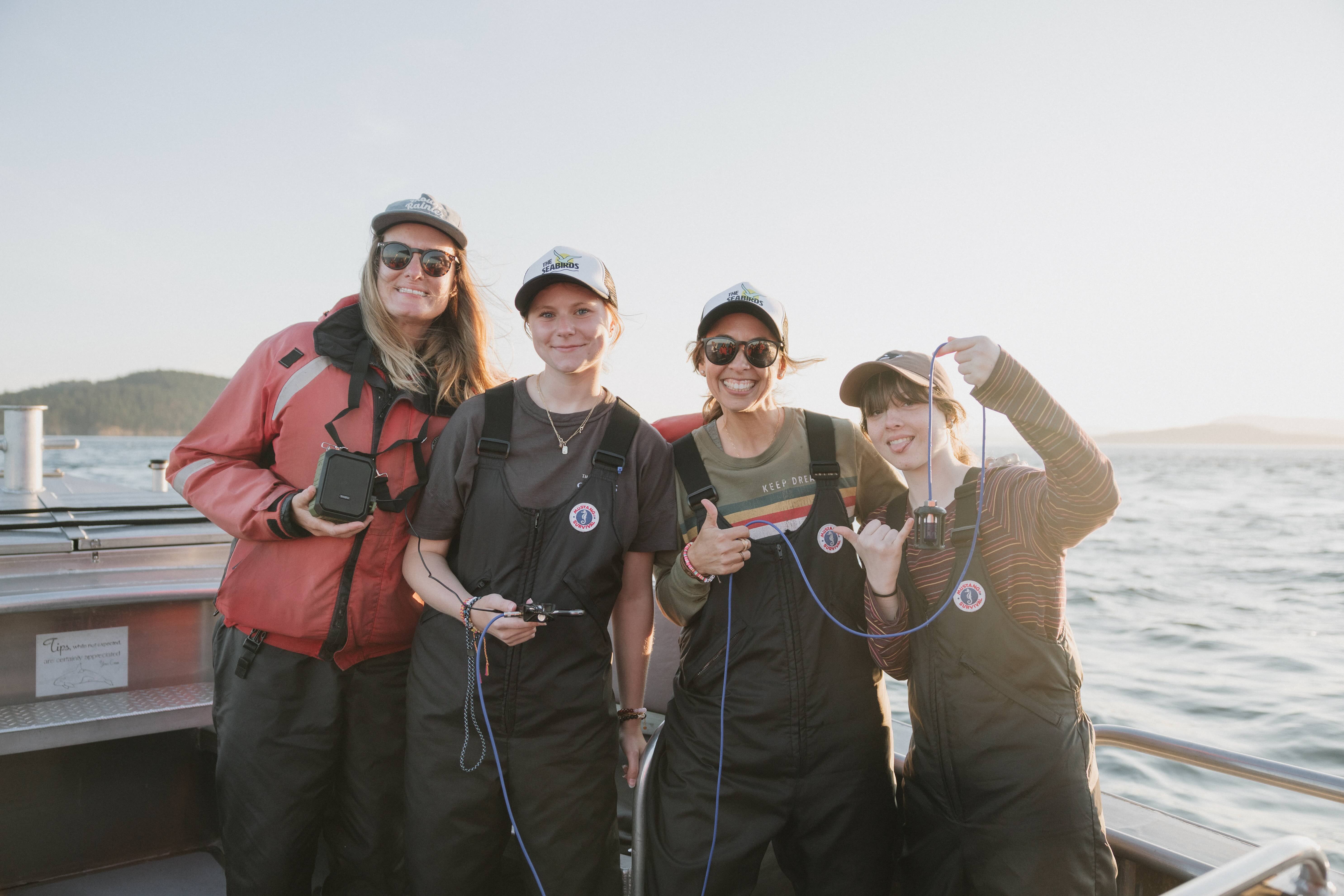

Our program design and protocol are intentionally and firmly rooted in scientific methods and field research, which means the data collected by our citizen scientists is high quality, reliable data that can meaningfully support research and conservation. We are actively bridging the gap between public curiosity and real scientific contribution. In doing that, the impacts are doubled: we foster a lasting connection with our environment while supporting the science that protects it.
So, what does that actually look like? Our science includes multiple components and acoustic data collection shines as the star of the show. Passive acoustic monitoring is an incredible tool, giving us a window beneath the surface. We focus on acoustics because it’s essential to marine mammals for survival—they use it for everything from communication and social cohesion, to feeding and navigating. Therefore, the protection of acoustic habitats that allow for the effective use of sound is key. We also collect various environmental and observational data, including salinity, visibility, animal behavior, and observed anthropogenic activities (to name a few). All this information works together to create a more comprehensive understanding of what’s going on within a habitat, and with better understanding we can work toward better protections.
This means it all goes back to our secret sauce: teach good data collection, get good data, and that’s what drives change. Strong, reliable data guides environmental planning, justifies protecting critical areas, helps with managing habitats, and influences regulatory policy. These are all processes that are happening and we want to ensure they are being informed by accurate data.
Collaborations are also a vital component for our impact because the data is valuable, it can drive change, and so it should be shared. Our data supports new and ongoing research, including The Seabirds in-house analysis and development of our open-access database, as well as partnerships with other nonprofits, conservation organizations, researchers, and universities. It really does become a giant team effort. And it needs to be, as the task is big!
This brings me to my favorite aspect of our impact: the citizen scientists.
I’ve been in the field of marine science a long time and there’s one line I consistently hear: “I wanted to be a marine biologist.” First, that’s super humbling and really cool to hear. Second, it’s made me realize that the amount of passion for our oceans is SO much greater than we think, which means that our capacity to make an impact is SO much greater than we think!
Speaking with the attendees in that New Explorer Scholarship presentation, all of whom were there because of that passion, only reinforced the conviction that you don’t have to be a marine scientist to make an impact on marine conservation.
As The Seabirds, our goal is to equip participants with the knowledge to do the science and do it well, but more importantly, we want to empower people with the realization that if you are passionate about this, you belong here, and you CAN drive change. So please, go for it! Our oceans need everyone.
xx,
Cristie Moore
Director of Science
The Seabirds Foundation