The (Arctic) Cold Truth: Fieldwork Fails
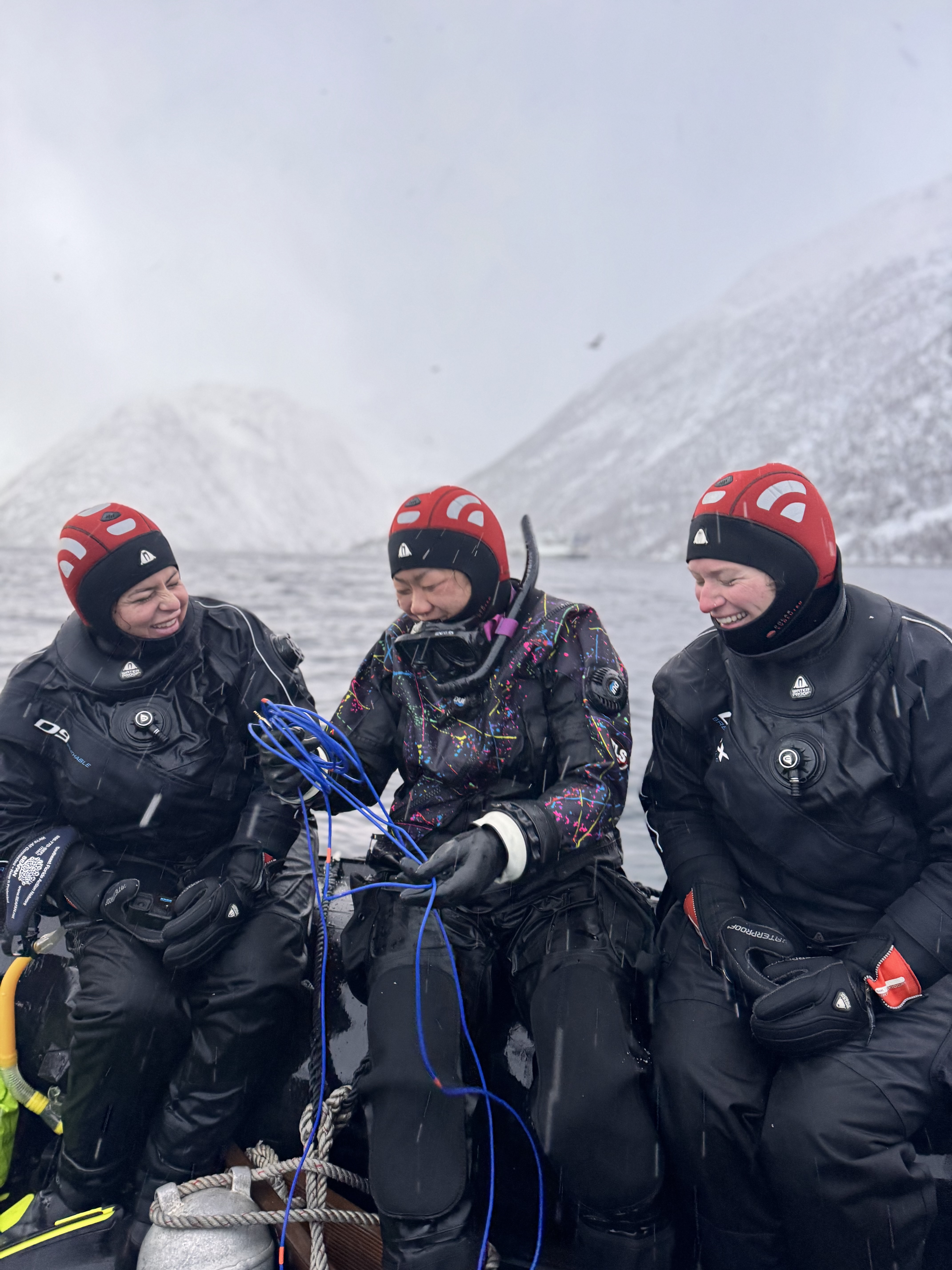

When we talk about traveling into the Arctic Circle to study orcas and humpbacks, deploy hydrophones, and work in remote ocean landscapes, the perception is often spectacular. It’s beautiful and captivating work, seemingly perfect. And in many ways, it is all those things.
Yet, it’s also frustratingly, wonderfully imperfect. Arctic fieldwork carries mishaps and fumbles—it’s abundant in dead batteries, drone injuries, datasheet paper that can’t be written on, and GoPros sitting on the ocean floor. In bitter cold temperatures, with frozen fingers and wind-burned faces, fieldwork fails are a harsh reality.
When you’re out in nature, sometimes at the far edges of the Earth, to assume that all will go as planned would be your first mistake. As scientists, we attempt to plan for A, expect B, and usually get Yellow Zebra. You know?! The trick isn’t being prepared for it all, it’s being adaptable to it all.
The process of getting ready for an Arctic expedition is not for the faint of heart. Making sure the team had everything necessary to do all the science we hoped, in one of the most remote and wild locations on the planet, was a feat. We worked tirelessly to ensure we had things covered from international research permits to the right pencils, or so we thought.
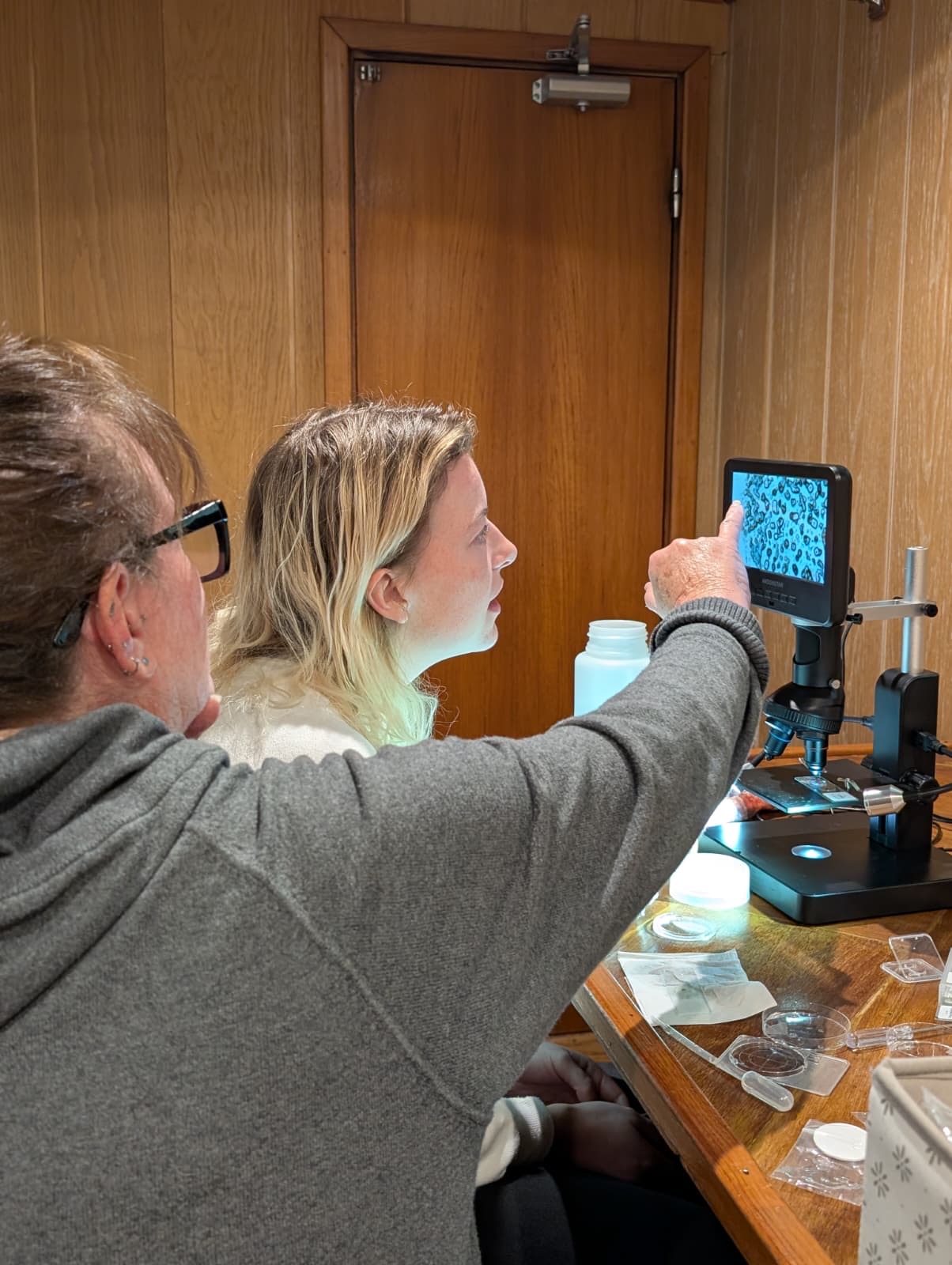
Even before our team stepped aboard the M/V Polarfront, we encountered our first hurdles. Despite the underwater ROV having traveled by air many times before, TSA deemed it unacceptable this time. And just like that, our plans were changed for us. The team and our data collection had to adapt. Alongside our hydrophone, underwater cameras, and science kits, we ended up using a Niskin bottle to collect water samples and analyze plankton under an onboard microscope. Not having the ROV removed one method of data collection but not the opportunity to collect data—we just had to redefine what that looked like. And, in our case, it looked like Microscopes and Mojitos night in the library (win!)
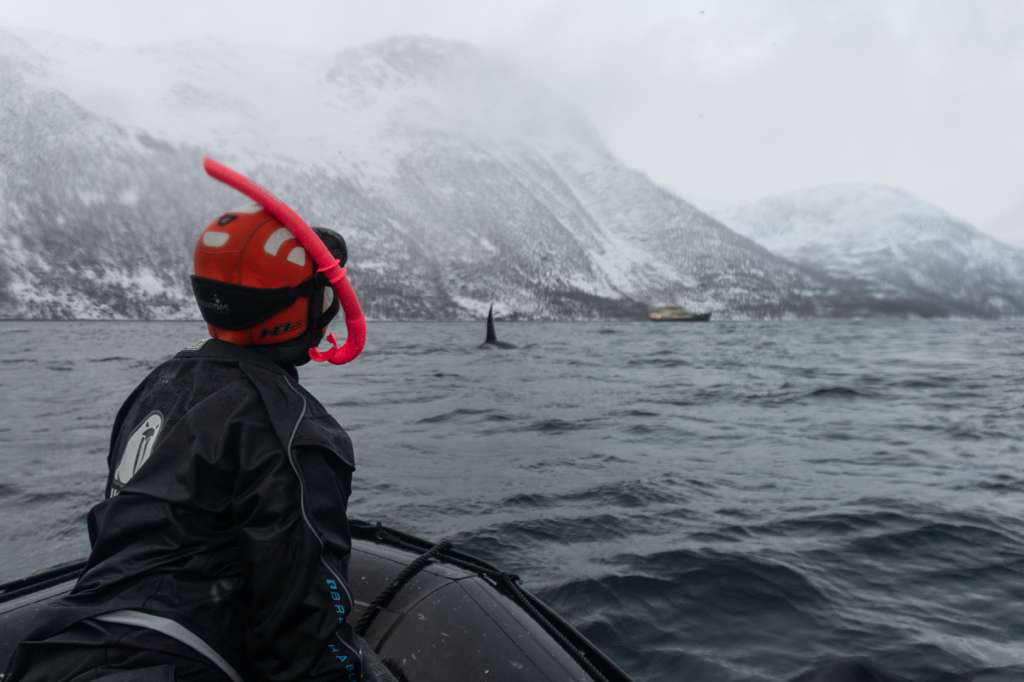
Although the ROV didn’t travel well, the fieldwork fails troll had no problem tagging along! During the expedition, one of the zodiacs we relied on to reach the animals and deploy our scientific gear broke down mid-excursion, leaving us adrift in an Arctic fjord, floating away from all the animal action, and eventually requiring a tow to the ship by our other zodiac team. Later in the trip, the ship itself followed suit and experienced a multi-hour mechanical failure that almost eliminated a valuable day of data collection and could’ve left us stranded in a winter paradise—darn!
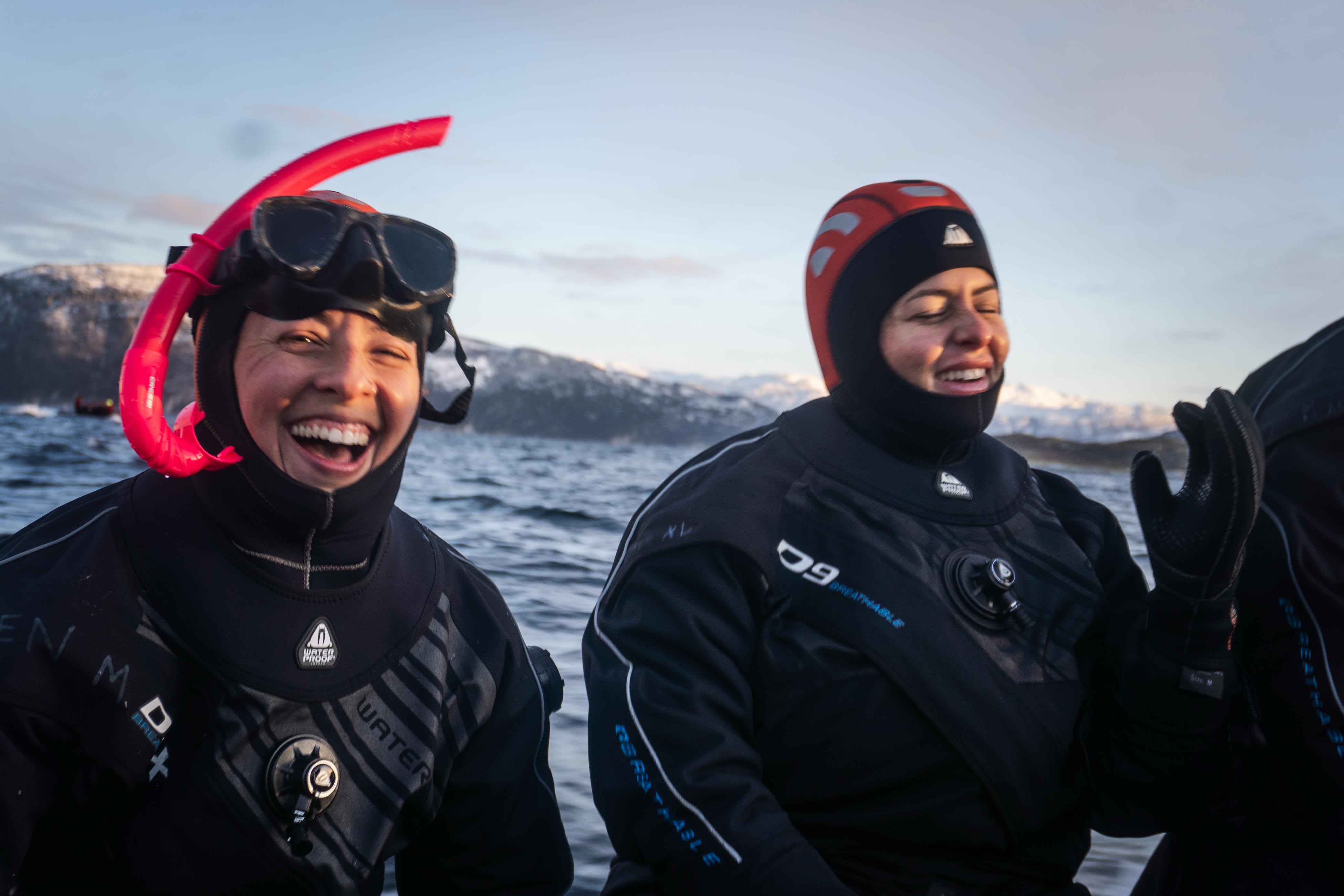
Even our remaining data collection methods weren’t immune to failure. The hydrophone, arguably our most critical piece of scientific gear, carried the weight of all our excitement and anticipation for collecting acoustic data in the field. So, imagine the moment when animals are located, zodiacs launched, hydrophone lowered beneath the surface, everyone listening intently . . . to the sounds of nothing but static. FAIL! Theories and troubleshooting swirled. Ship noise. Rain. Corroded connections. Every possibility discussed. Did the Arctic let up there? Not a chance. When we finally managed to transmit clean acoustics, the entire system began randomly powering off mid-recording. Could it get any harsher? Giggles. This happened during one of the most rare and monumental moments of the trip—orca and humpbacks together in a bait ball feeding frenzy. The result? Mind-blowing and potentially unprecedented acoustic recordings that were corrupted and unusable.
So, here’s the cold truth: the field IS harsh. It WILL be full of challenges. It WILL knock you down. But it’s those failures and falls that deepen the pursuit - of science, of exploration, and of yourself. Ultimately, we made it out there with most of our scientific gear. We collected remarkable data. We learned that powering a hydrophone system in extreme temperatures works best with cold-weather power banks. We even dove into the unfamiliar world of audio recording and file recovery, and, against all odds, we recovered every single corrupted (EPIC!) acoustic file.
In the end, we experienced plenty of fails, but one thing always prevailed: our team. Each time we stumbled, we leaned in for support, shared knowledge, brainstorming, or even just laughs. It’s not lost on me that this collective strength beautifully mirrors the same collaborative relationships we observe in the orca communities we study.
Arctic fieldwork failures challenge us, without question. But they also teach us. Failures in the field (and in life) offer us unique opportunities to learn, grow, and move forward stronger, together.
xx- Cristie