Matriarch Highlight: White Gladis
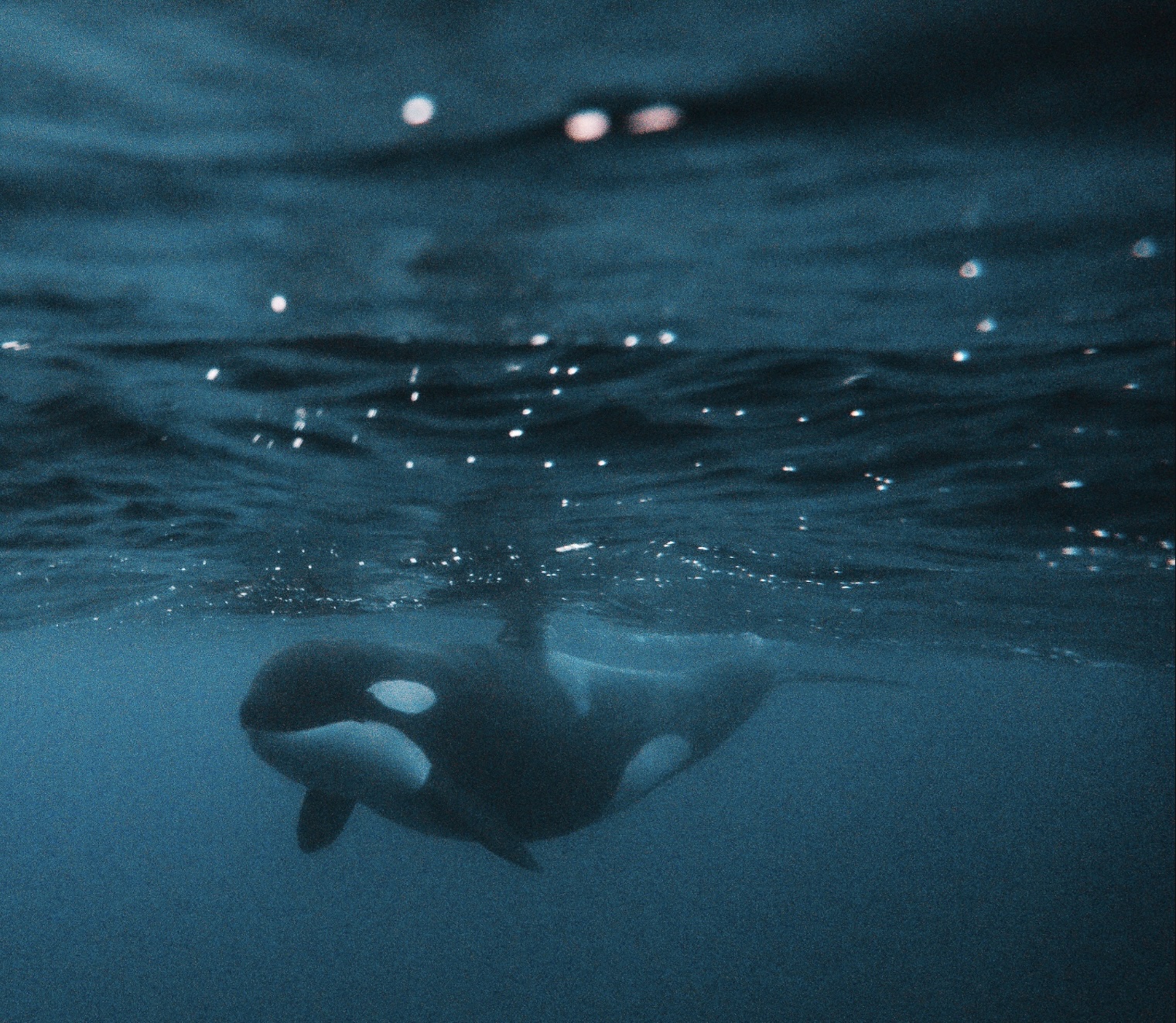

In the spring of 2020, sailors off the coasts of Spain and Portugal began reporting something unprecedented. Orcas were approaching sailboats, nudging rudders, and in some cases leaving vessels disabled. Headlines quickly labeled them “revenge whales,” but the truth may be even more fascinating.
We have long known orcas to be matrilineal. Orca calves stay with their mothers for life, and mothers pass down not just genes, but learned behaviors, language, hunting techniques, and migration routes. Humans have even observed groups exhibiting “fads,” such as wearing dead salmon as “hats,” dragging jellyfish around for fun, and even playing with their food.
Is this new behavior revenge, or just a fad?

Scientists have traced the earliest documented interactions to Iberian orcas, a critically endangered population of fewer than forty killer whales that specializes in hunting Atlantic bluefin tuna. Researchers consider an adult female known as Gladis Blanca, or White Gladis, to be the whale most closely associated with the earliest documented interactions.
The lineage of White Gladis is well documented. Researchers know her mother, two sisters, and daughter. However, while White Gladis has been observed during many of the sailboat interactions, her mother has not. For the most part, White Gladis was seen alongside younger whales from her group.
Did she teach the younger whales to target rudders?
Although teaching hunting techniques has been observed in other orca populations, scientists do not believe White Gladis was actively teaching this behavior. Instead, the younger whales may have simply observed her, copied her actions, found them rewarding, and repeated the behavior on subsequent encounters with sailboats.
But why? Although White Gladis is the whale most closely associated with the earliest documented interactions, the motive remains unknown and may never be fully understood. One theory suggests she experienced a traumatic encounter with a boat or rudder, possibly while pregnant, responded defensively, and continued the behavior afterward. Another possibility is that the initial interaction became a form of play that spread through the group.
Whether her behavior began as a response to trauma, curiosity, or something we still don’t understand, it began with an adult female and spread through pod culture. In killer whale families, mothers and grandmothers are the keepers of knowledge. White Gladis reminds us that the lessons passed through a matriline can shape an entire community, for better or worse.