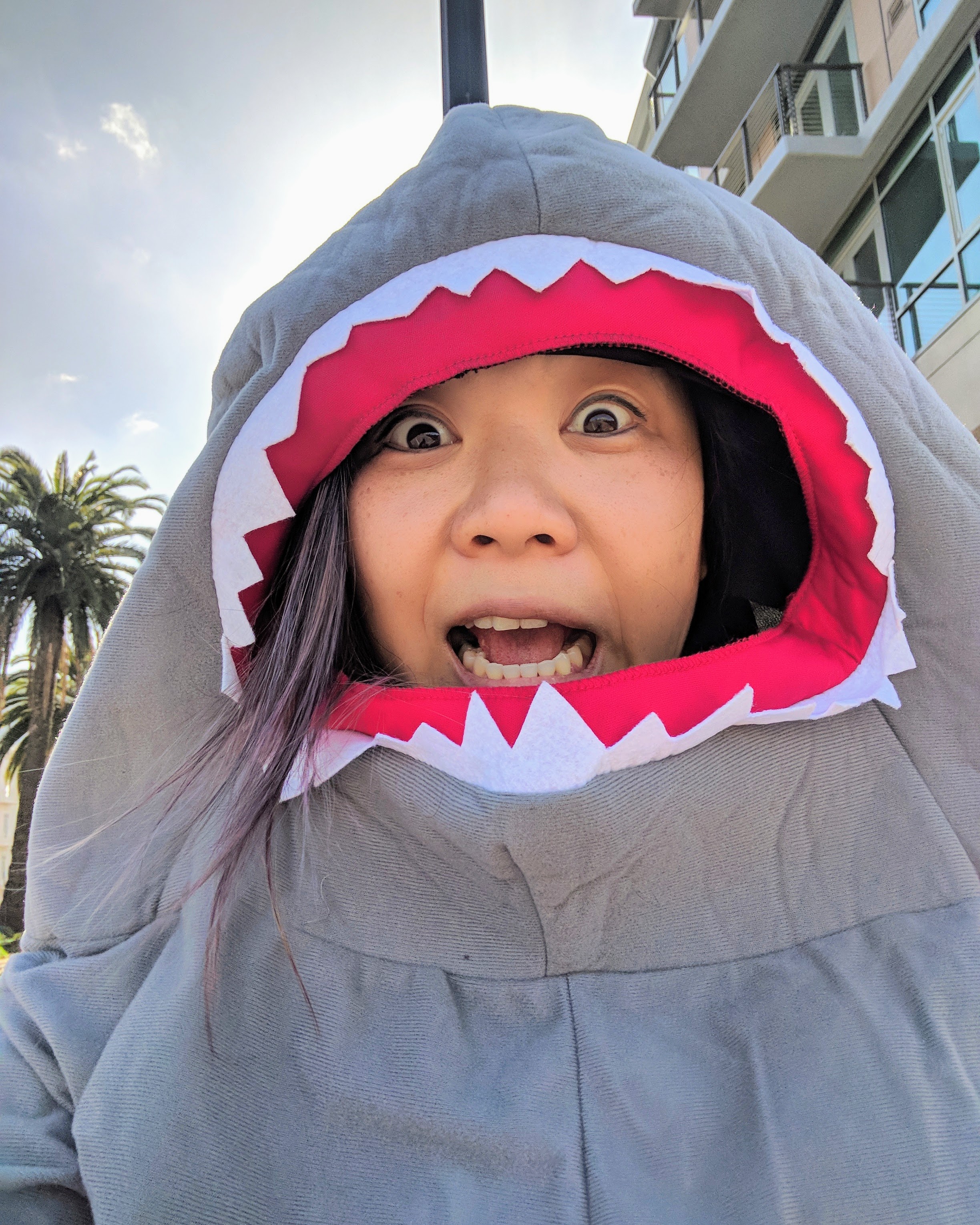
How We Fell in Love 270 Times
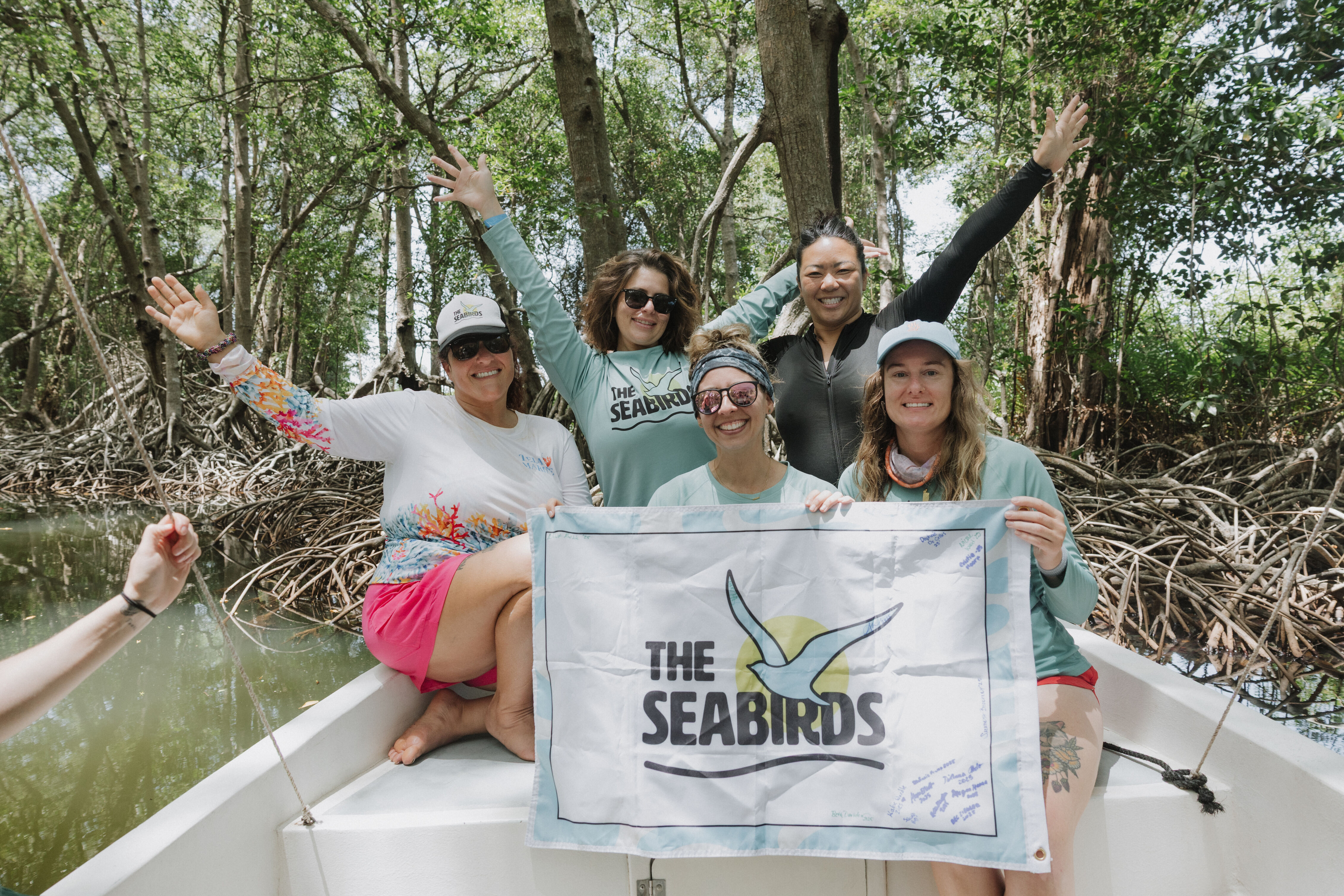

Over the last few months, I’ve fallen in love.
Well, we have—our team. Over and over. Many, many times. Sometimes a few times a week, sometimes with multiple people at the same time.
How could we be so cavalier with our emotions?
You see, in May 2026, we launched The Seabirds’ first-ever New Explorer Scholarship with our brave and wonderful partners at Re!Earth Initiative. With their support, we’re offering a fully funded berth on a humpback whale expedition in March 2027 to the Silver Bank in the Dominican Republic.
The process of offering a scholarship was new to us, and we were completely overwhelmed by the response. We received more than 270 applications, and every single candidate offered something unique and beautiful to bring to the team.
But with 270+ people vying for one spot, tough decisions had to be made. So we read and re-read. Analyzed. Discussed. Even cried once or twice (from pure inspiration). Eventually, we narrowed 270 to 40, then 25, and now finally to a Top 12. Those applicants are interviewing with our team to assess fit and impact, and we’ll choose our very first Seabirds Scholar by early November.
Concurrently, we’re also kicking off our second scholarship in October, through the generosity of Janet Harris’s family.
Janet was the kind of woman who believed life was meant to be lived fully. She was adventurous and curious, and she had a particular gift for opening doors for other people once she’d found her way through one herself. She grew up at a time when there weren’t nearly as many opportunities for women and girls to go off and do epic things, and she found a way anyway. The Janet’s Planet Scholarship is our little way of carrying that spirit forward.
We’ll be looking for a young woman in the Pacific Northwest who is adventurous, bright, and may have faced obstacles that have made it harder to access opportunities to achieve and thrive. Someone who, like Janet, might just need a little push to say yes to something bigger.
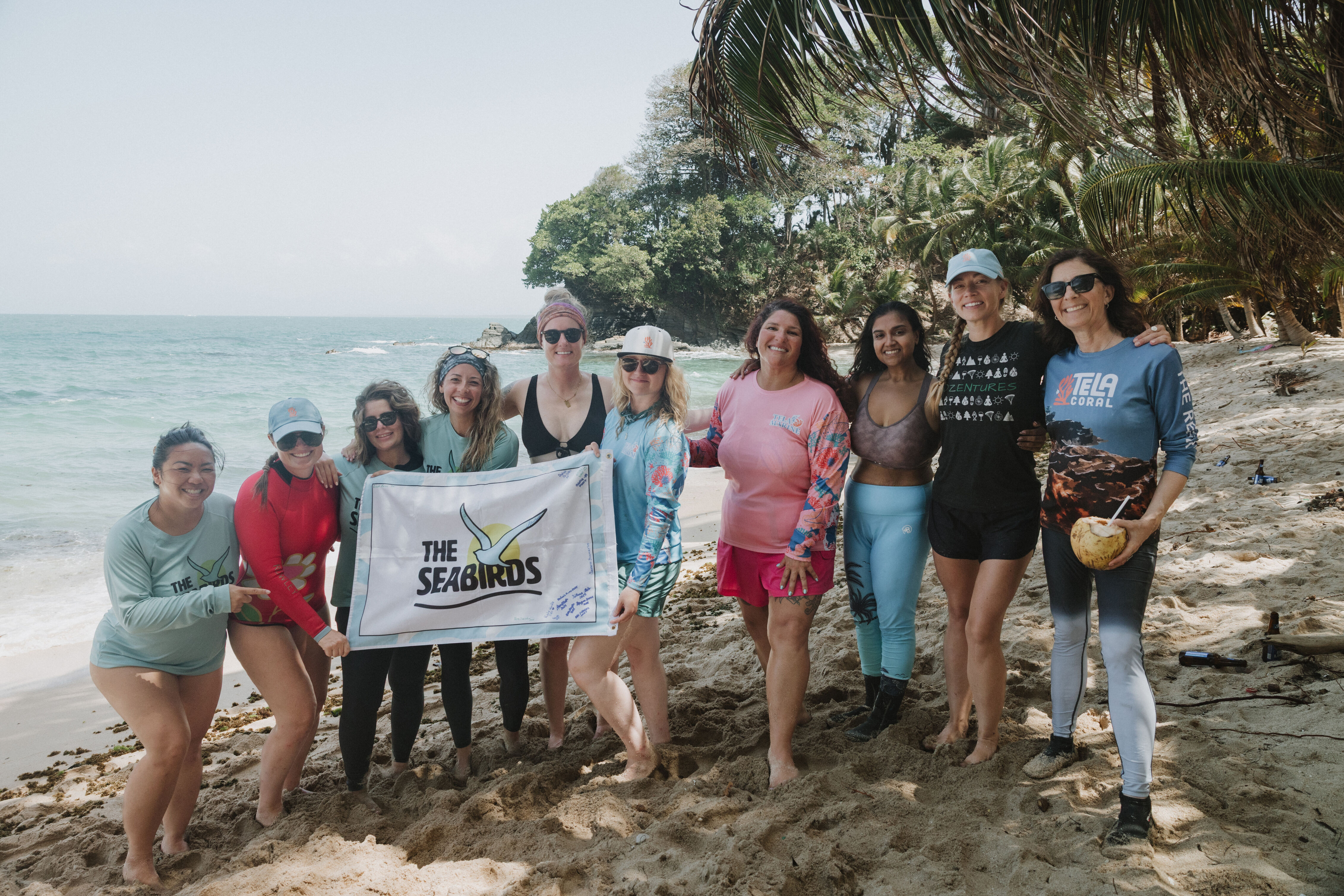
Vinh Pham

As I reflect on this momentous achievement for The Seabirds, I cannot help but pull some lessons from our applicants:
1. Science needs people as much as people need science
We asked applicants what “you don’t have to be a scientist to make an impact” meant to them.
One person wrote, “Science needs storytellers just as much as it needs researchers. Data matters but so does the person who turns that data into something a 14-year-old can feel in their chest.”
Those words well up in me every time I read them.
Another wrote about coming to understand that storytelling isn’t separate from science, but one of the ways science creates impact.
And one applicant said something I can’t forget: “Science made only by scientists is incomplete science.”
Of course we need scientists: we need people who can collect good data, analyze it, ask hard questions and push knowledge forward. But, we also need the people who can take that knowledge somewhere else – into a classroom, a community, a painting, or a podcast. Into a conversation with someone else who may never have thought of themselves as a “science person.”
2. People want to be invited in
This is part of the promise of citizen science. We aren’t just getting more people to help collect data. It’s about recognizing that curiosity, observation, creativity, and lived experience have value in science too. It’s about showing anyone, and everyone, that they can be part of a solution. That’s how we’re changing the face of exploration by changing who gets to be part of it.
The applications made it incredibly clear why this matters.
One person wrote, “I have never fit the profile of an ocean explorer.”
Another said, “The ocean doesn’t ask for a degree before she shows you her bioluminescence.”
I loved both of those because they get at why we created the New Explorer Scholarship in the first place. Sometimes the barrier isn’t that someone doesn’t care enough, know enough, or have enough to contribute. They just haven’t found a way in.
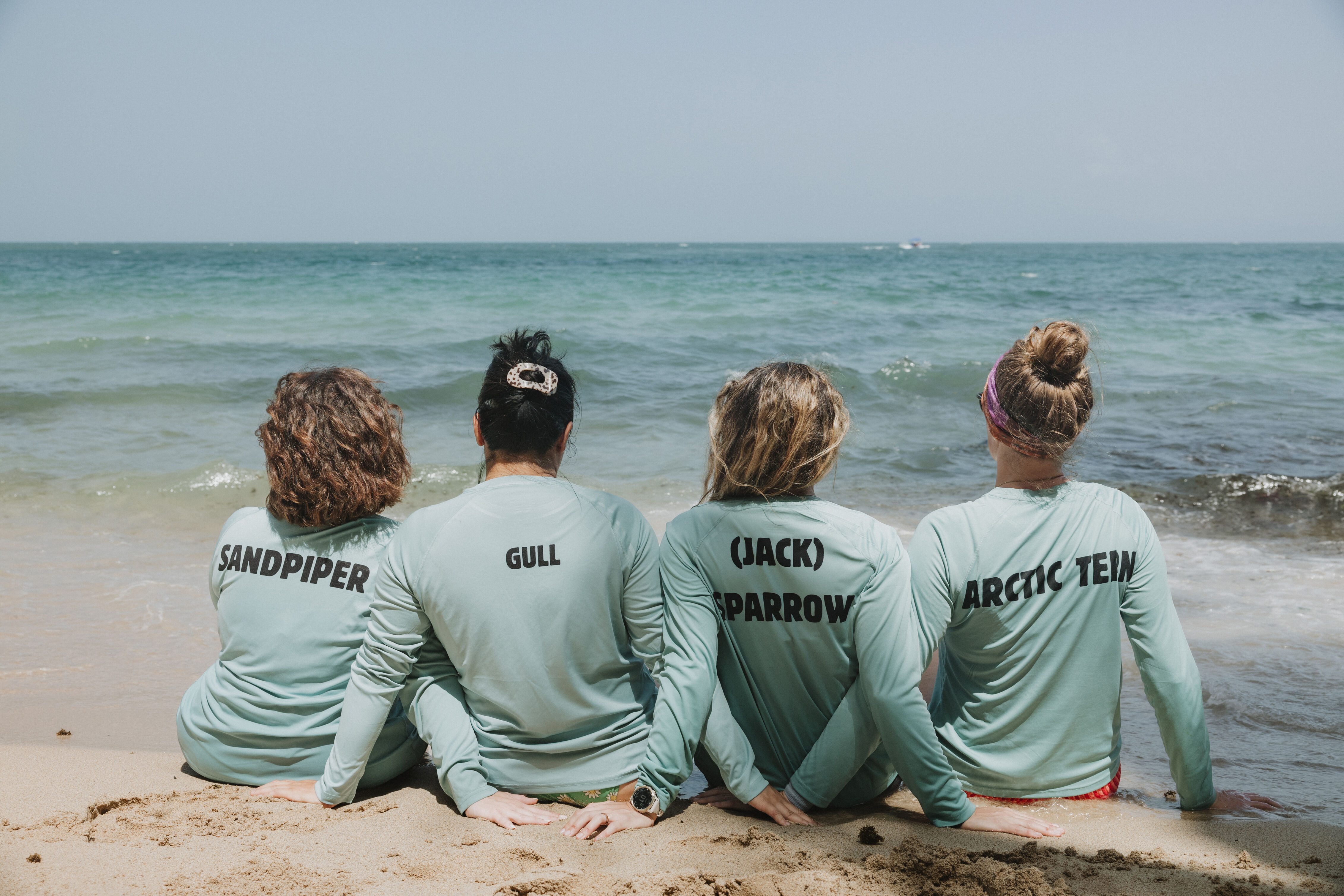
Vinh Pham
We have applicants who have never been on an expedition. People who have never worked in science. People who didn’t think their art, community work, teaching, storytelling, lived experience, or sheer curiosity have anything to do with ocean conservation.
And then they wrote 1,500 words telling us exactly why they belonged on that boat.
Which brings me back to the falling in love.
We thought we were going to find one stellar candidate. Instead, we got to meet 270 people who reminded us why we’re doing this in the first place.
Thank you to all our applicants, friends, supporters, and partners. We are so very privileged to do this work with you!
And, to our eventual scholars, who we will meet soon, we cannot wait to welcome you to the squad!!
With a full heart,
Tiff